

Select A Store
Select Store
My Store:
Select A Store
Overview
Overview
Literature has never been weirder--full of images, colors, gadgets, and footnotes, and violating established norms of character, plot, and narrative structure. Yet over the last 30 years, critics have coined more than 20 new "realisms" in their attempts to describe it.
But in the age of reality TV, social media identities, and an ever-fragmenting culture, what does "realism"--a foundational literary term--mean anymore?
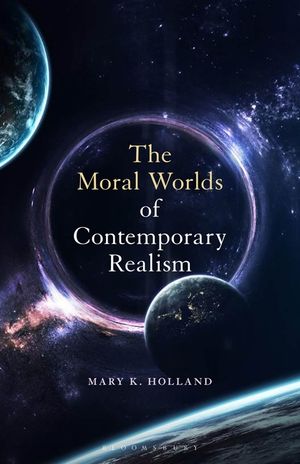
Delving into recent literature by dozens of writers, and over a century of theory and criticism about realism, The Moral Worlds of Contemporary Realism sifts through the current critical confusion to show students and scholars of literature how our idea of what is real, and how best to depict it, has changed drastically, and especially in recent years. Along the way, Mary K. Holland takes the reader on a lively tour through the landscape of contemporary literary studies--across metafiction, ideology, digital literature, posthumanism, new materialism, postmodernism, poststructuralism, and deconstruction--giving us new ways to view how humans use language to make sense of the world.
- Format: Trade Paperback
- Author: Holland, Mary K.
- ISBN: 9781501362620
- Condition: New
- Dimensions: 9.10 x 0.60
- Number Of Pages: 312
- Publication Year: 2020
Language:
English