


Select A Store
Select Store
My Store:
Select A Store
Availability:
-
Online Only
$9.99
Used
-
Trade Paperback
-
9781478009597
Overview
Overview
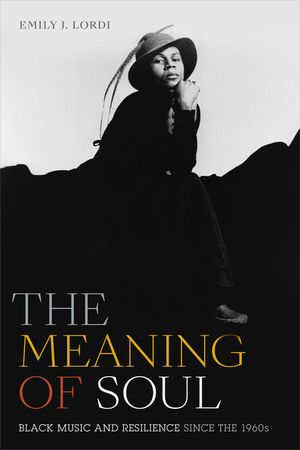
In The Meaning of Soul, Emily J. Lordi proposes a new understanding of this famously elusive concept. In the 1960s, Lordi argues, soul came to signify a cultural belief in black resilience, which was enacted through musical practices--inventive cover versions, use of falsetto and adlibs, and deployment of false endings. It was through these soul techniques that artists such as Aretha Franklin, Donny Hathaway, Nina Simone, Marvin Gaye, Isaac Hayes, and Minnie Riperton performed virtuosic survivorship and thus helped to galvanize black communities in an era of peril and promise. These are the soul legacies and strategies that artists such as Prince, Solange Knowles, and Flying Lotus carry into the twenty-first century. Breaking with prior understandings of soul as a vague masculinist political formation that is synonymous with the Black Power Movement, Lordi offers a vision of soul that foregrounds the intricacies of musical craft, the complex personal and social meanings of the music, the dynamic movement of soul across time, and the leading role played by black women in this musical-intellectual tradition.
- Format: TradePaperback
- Author: Lordi, Emily J.
- ISBN: 9781478009597
- Condition: Used
- Dimensions: 8.90 x 0.50
- Number Of Pages: 232
- Publication Year: 2020
Language:
English