


Select A Store
Select Store
My Store:
Select A Store
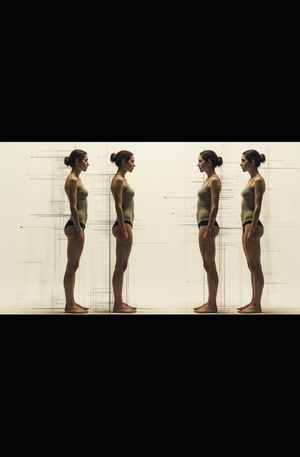
Postural Ascesis: The Semiotics of Elevation and the Phenomenology of Vertical Thinking
by Cioni, Pietro
Availability:
null
Overview
Overview
What does it mean to stand?
This book argues that the human posture-so often reduced to anatomy-is, in truth, the most profound act of philosophy. From the first trembling of bipedal life to the highest gestures of art and ethics, standing upright is the discipline through which Being discloses itself.
Blending phenomenology, philosophical anthropology, and aesthetics, The Ascesis of Posture redefines verticality as the axis of existence: a continuous struggle between gravity and transcendence, flesh and meaning. Drawing on thinkers from Heidegger to Sloterdijk, the work traces how posture evolves from biological necessity into ethical vocation, how the act of standing becomes an exercise in freedom, care, and world-formation.
In a time when humanity risks forgetting its own uprightness-bent before screens, comfort, and abstraction-this treatise calls for a recovery of ascesis: the training that keeps consciousness vertical.
To stand, it suggests, is not merely to resist the fall, but to sustain the openness of the world itself.
A radical synthesis of ontology and embodiment, The Ascesis of Posture invites readers to rediscover philosophy's most ancient gesture-the human being who stands.
- Format: Trade Paperback
- Author: Cioni, Pietro
- ISBN: 9798271361029
- Condition: New
- Dimensions: 8.00 x 0.33
- Number Of Pages: 156
- Publication Year: 2025
Language:
English