


Select A Store
Select Store
My Store:
Select A Store
Overview
Overview
Presentation of Pinot Noir as a delicate and complex grape, capable of expressing different terroirs with great fidelity.
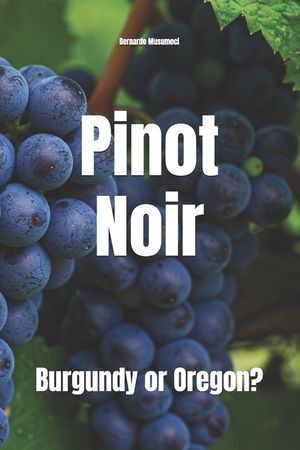
Explore Pinot Noir wine production in two iconic regions, Burgundy (France) and Oregon (United States).
Brief history of Pinot Noir and its relevance in the world of wine.
The importance of terroir in defining the style of Pinot Noir wines. Pinot Noir in Burgundy: History and tradition of Pinot Noir in Burgundy: a long journey of excellence.
The terroir of Burgundy: continental climate, limestone soils and the influence of "climats".
Sub-regions: Côte de Nuits, Côte de Beaune, Côte Chalonnaise.
The vineyard hierarchy: Grand Cru, Premier Cru, Village, Bourgogne.
Viticultural practices: traditional vineyard management, cultivation techniques.
Winemaking: traditional methods and the search for terroir expression.
Wine styles: Pinot Noir from Burgundy: sensorial characteristics, aromas and flavors, with great variation depending on the region and denominations. Pinot Noir no Oregon: Oregon's rise as a Pinot Noir producing region: history and success factors.
Oregon terroir: temperate maritime climate, volcanic and sedimentary soils.
Sub-regiões: Willamette Valley, Dundee Hills, Eola-Amity Hills.
Viticultural practices: sustainable vineyard management, modern cultivation techniques.
Winemaking: methods and technologies used in production.
Wine styles: Oregon Pinot Noir: sensory characteristics, aromas and flavors. Comparing Terroirs and Wines: Comparative analysis of Burgundy and Oregon terroirs: climate, soil, topography.
Influence of terroir on wine characteristics: aromas, flavors, structure.
Burgundy Pinot Noir vs. Oregon Pinot Noir: sensorial profile, acidity, body, aromatic intensity.
Comparative tasting: identifying the nuances and differences between wines from the two regions. Viticultural and Enological Aspects: Vineyard management: comparison of viticultural practices in Burgundy and Oregon.
Winemaking techniques: traditional vs. traditional methods modern, use of yeast, temperature control.
Influence of winemaking on wine style.
The role of the winemaker in creating Pinot Noir wines with typicality and quality. Guard and Evolution Potential: Pinot Noir's aging potential: from Burgundy and Oregon.
Evolution of wines in the bottle: how aromas and flavors change over time.
Tips for storing and serving Pinot Noir wines. Pairing with Gastronomy: Pairing Pinot Noir with different dishes: French, American and international cuisine.
Pairing suggestions for Pinot Noir from Burgundy and Oregon.
The subtlety and elegance of the pinot noir grape, allowing for many pairing variations. The Global Pinot Noir Market: The importance of Pinot Noir in the international wine market.
The role of Burgundy and Oregon as leaders in Pinot Noir production.
Consumer trends and challenges for the future. Conclusion: Pinot Noir: a grape that expresses the diversity of terroir and the art of winemaking.
Burgundy and Oregon: two regions that demonstrate the potential of Pinot Noir in different contexts.
The constant search for excellence, and the passion for this grape.
List of Pinot Noir producers in Burgundy and Oregon.
Explore Pinot Noir wine production in two iconic regions, Burgundy (France) and Oregon (United States).
Brief history of Pinot Noir and its relevance in the world of wine.
The importance of terroir in defining the style of Pinot Noir wines. Pinot Noir in Burgundy: History and tradition of Pinot Noir in Burgundy: a long journey of excellence.
The terroir of Burgundy: continental climate, limestone soils and the influence of "climats".
Sub-regions: Côte de Nuits, Côte de Beaune, Côte Chalonnaise.
The vineyard hierarchy: Grand Cru, Premier Cru, Village, Bourgogne.
Viticultural practices: traditional vineyard management, cultivation techniques.
Winemaking: traditional methods and the search for terroir expression.
Wine styles: Pinot Noir from Burgundy: sensorial characteristics, aromas and flavors, with great variation depending on the region and denominations. Pinot Noir no Oregon: Oregon's rise as a Pinot Noir producing region: history and success factors.
Oregon terroir: temperate maritime climate, volcanic and sedimentary soils.
Sub-regiões: Willamette Valley, Dundee Hills, Eola-Amity Hills.
Viticultural practices: sustainable vineyard management, modern cultivation techniques.
Winemaking: methods and technologies used in production.
Wine styles: Oregon Pinot Noir: sensory characteristics, aromas and flavors. Comparing Terroirs and Wines: Comparative analysis of Burgundy and Oregon terroirs: climate, soil, topography.
Influence of terroir on wine characteristics: aromas, flavors, structure.
Burgundy Pinot Noir vs. Oregon Pinot Noir: sensorial profile, acidity, body, aromatic intensity.
Comparative tasting: identifying the nuances and differences between wines from the two regions. Viticultural and Enological Aspects: Vineyard management: comparison of viticultural practices in Burgundy and Oregon.
Winemaking techniques: traditional vs. traditional methods modern, use of yeast, temperature control.
Influence of winemaking on wine style.
The role of the winemaker in creating Pinot Noir wines with typicality and quality. Guard and Evolution Potential: Pinot Noir's aging potential: from Burgundy and Oregon.
Evolution of wines in the bottle: how aromas and flavors change over time.
Tips for storing and serving Pinot Noir wines. Pairing with Gastronomy: Pairing Pinot Noir with different dishes: French, American and international cuisine.
Pairing suggestions for Pinot Noir from Burgundy and Oregon.
The subtlety and elegance of the pinot noir grape, allowing for many pairing variations. The Global Pinot Noir Market: The importance of Pinot Noir in the international wine market.
The role of Burgundy and Oregon as leaders in Pinot Noir production.
Consumer trends and challenges for the future. Conclusion: Pinot Noir: a grape that expresses the diversity of terroir and the art of winemaking.
Burgundy and Oregon: two regions that demonstrate the potential of Pinot Noir in different contexts.
The constant search for excellence, and the passion for this grape.
List of Pinot Noir producers in Burgundy and Oregon.
- Format: Trade Paperback
- Author: Musumeci, Bernardo
- ISBN: 9798274931144
- Condition: New
- Dimensions: 9.00 x 0.12
- Number Of Pages: 56
- Publication Year: 2025
Language:
English