


Select A Store
Select Store
My Store:
Select A Store
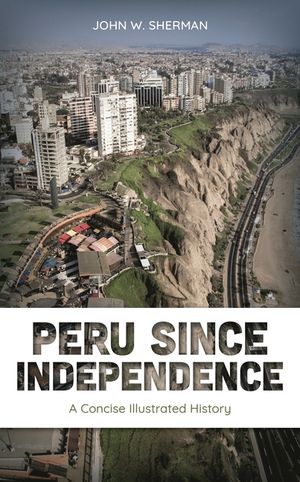
Peru Since Independence: A Concise Illustrated History
Availability:
$33.00
New
-
Trade Paperback
-
9781538173404
Overview
Overview
Few nations in the world have trekked such a dramatic political path as post-independence Peru. Celebrated for its Incan heritage and colonial grandeur, Peru's relatively neglected post-1821 history comes alive in this concise and timely volume. The complex struggle for independence, the chaotic age of the caudillos, nascent stability under Ramón Castilla, and the War of the Pacific receive attention in its opening chapters; state-building under Cáceres and Leguía, the Aristocratic Republic, labor and social unrest, the radical thought of Mariátegui, and the political dynamism of Haya de la Torre's APRA are addressed in middle chapters; the struggle for democracy, the Odría Ocenio, Fernando Belaúnde, Alan García, Sendero Luminoso, and Alberto Fujimori's dictatorship receive ample coverage thereafter. Insightful "life and culture" chapters explore the rich literary, artistic, and musical traditions of Peru, while a long closing chapter examines the rise and fall of Pedro Castillo and on-going political crises. Sensitive to issues of gender, ethnicity, and class, Peru Since Independence fills a glaring gap in our understanding of a vital Latin American and Pacific Rim nation.
- Format: TradePaperback
- Author: Sherman, John W.
- ISBN: 9781538173404
- Condition: New
- Number Of Pages: 216
- Publication Year: 2023
Language:
English