


Select A Store
Select Store
My Store:
Select A Store
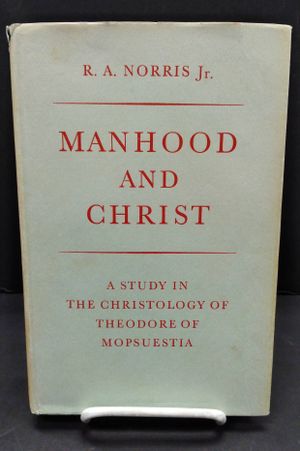
Manhood and Christ: A Study in the Christology of Theodore of Mopsuestia
by Alfred Norris Jr., Richard
Availability:
-
Online Only
$15.00
Overview
Overview
This book is a theological analysis of the ideas of Theodore of Mopsuestia (c. 350–428), a leading figure of the Antiochene school. Norris's study focuses on Theodore's insistence on the full and complete manhood of Jesus Christ. Theodore emphasized the distinction between Christ's human and divine natures, arguing they remained "perfect" and unconfused. This book examines how Theodore conceived of a union between these two natures without compromising their distinct properties. It also analyzes Theodore’s opposition to Apollinarianism, which taught that "The Divine Logos" (God's Word) replaced Christ’s rational human soul. It highlights Theodore's belief that only a fully human Christ could truly act as a mediator for human salvation and victory over sin and death.
- Format: Hardback
- Author: Alfred Norris Jr., Richard
- Condition: Very Good
- Publisher: Clarendon Press
- Publication Year: 1963