


Select A Store
Select Store
My Store:
Select A Store
Overview
Overview
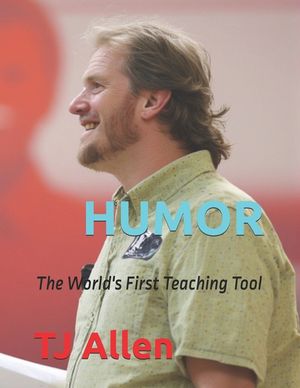
Long before anyone uttered the words curriculum or credit hour, there was laughter echoing through the dark. Around ancient fires, our ancestors told stories - of hunt and folly, of triumph and error, of the mammoth that got away and the caveman who thought it was a rock. They didn't yet have PowerPoint slides or standardized testing. They had timing. They had tone. They had the instinct to turn confusion into amusement - and in doing so, they discovered the first true classroom: the circle of shared laughter. Humor was not a pastime. It was pedagogy with smoke in its hair.
Humor, you see, isn't merely decoration for ideas - it's the delivery system for understanding. Every chuckle, every snort, every perfectly-timed punchline is a small neurological victory. Modern neuroscience now confirms what those campfire teachers already knew: laughter opens the gates of learning. It lowers fear, sharpens attention, and welds new information to memory like a friendly brand on the brain. Dopamine, serotonin, oxytocin - a triad of neurochemical cheerleaders - leap into action when we laugh. And with that, education ceases to be punishment. It becomes pleasure disguised as discovery.
- Format: Trade Paperback
- Author: Allen, Tj
- ISBN: 9798272884862
- Condition: New
- Dimensions: 11.00 x 0.20
- Number Of Pages: 96
- Publication Year: 2025
Language:
English