


Select A Store
Select Store
My Store:
Select A Store
Overview
Overview
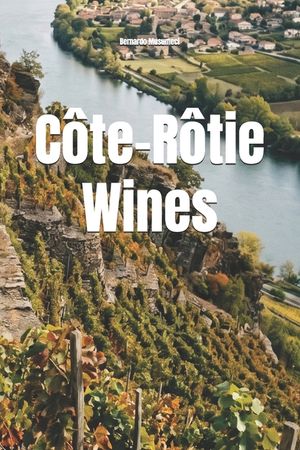
Presentation of Côte-Rôtie: one of the most prestigious appellations in the Northern Rhône and the world.
Brief history of Côte-Rôtie: its origins and evolution over the centuries.
The importance of terroir and Syrah (and Viognier) in defining the style of Côte-Rôtie wines. A History of Côte-Rôtie: Origins of viticulture in Côte-Rôtie: Roman and medieval evidence.
The evolution of wine production in Côte-Rôtie over the centuries: challenges and innovations.
The creation of the Côte-Rôtie appellation: regulations and classifications.
The resurgence of Côte-Rôtie in the 20th century: the role of visionary producers. O Terroir of Côte-Rôtie: Climate and geography of Côte-Rôtie: the influence of the Rhône and steep slopes.
Characteristic soils: schist, granite and "lones" (alluvial deposits), and their importance in the typicality of the wines.
Sub-regions of Côte-Rôtie: Côte Blonde and Côte Brune, and their particularities.
The importance of topography and sun exposure on the quality of grapes. Viticultural Aspects: The vineyard of Syrah and Viognier: ampelographic characteristics and vegetative cycle in the Côte-Rôtie.
Vineyard management: pruning practices, yield control and cultivation techniques in Côte-Rôtie.
The importance of manual harvesting and rigorous grape selection.
Challenges for viticulture in Côte-Rôtie: erosion, steep slopes and adaptation to climate change. Winemaking: Methods and Techniques: The importance of co-fermenting Syrah with Viognier: what does it give to the wine?
Winemaking techniques: maceration, fermentation in oak barrels, etc.
The role of the winemaker in defining the style of wines: balance, complexity and aging potential.
The influence of indigenous yeasts on the typicality of Côte-Rôtie wines. Sensory Characteristics and Wine Styles: Sensory profiles of Côte-Rôtie wines: aromas, flavors and structure of Syrah and Viognier.
Wine styles: Côte Blonde and Côte Brune, with their particularities and sensorial differences.
The influence of terroir and winemaking on wine characteristics.
Tasting: tips for appreciating Côte-Rôtie wines and recognizing the differences between the "lieux-dits". Pairing with Gastronomy: Pairing with Rhône cuisine: traditional dishes and local ingredients.
Other pairing suggestions: classic dishes from French and international cuisine.
The importance of the structure and complexity of Côte-Rôtie wines in pairing with food.
Tips for creating memorable gastronomic experiences with Côte-Rôtie wines. THE Market and the Future of Côte-Routique: The importance of the Controlled Denomination of Origin (DOC) Côte-Rôtie in the protection and promotion of wines.
Leading producers and iconic Côte-Rôtie labels.
Consumer trends and challenges for the future of Côte-Rôtie.
The importance of tourism and the dissemination of Côte-Rôtie wines as cultural and gastronomic heritage. Conclusion: Côte-Rôtie: a unique and irreplaceable terroir in the production of excellent wines.
The future of wine production in Côte-Rôtie: between tradition and innovation.
The importance of preserving and valuing the "lieux-dits" of Côte-Rôtie as a heritage of humanity.
Brief history of Côte-Rôtie: its origins and evolution over the centuries.
The importance of terroir and Syrah (and Viognier) in defining the style of Côte-Rôtie wines. A History of Côte-Rôtie: Origins of viticulture in Côte-Rôtie: Roman and medieval evidence.
The evolution of wine production in Côte-Rôtie over the centuries: challenges and innovations.
The creation of the Côte-Rôtie appellation: regulations and classifications.
The resurgence of Côte-Rôtie in the 20th century: the role of visionary producers. O Terroir of Côte-Rôtie: Climate and geography of Côte-Rôtie: the influence of the Rhône and steep slopes.
Characteristic soils: schist, granite and "lones" (alluvial deposits), and their importance in the typicality of the wines.
Sub-regions of Côte-Rôtie: Côte Blonde and Côte Brune, and their particularities.
The importance of topography and sun exposure on the quality of grapes. Viticultural Aspects: The vineyard of Syrah and Viognier: ampelographic characteristics and vegetative cycle in the Côte-Rôtie.
Vineyard management: pruning practices, yield control and cultivation techniques in Côte-Rôtie.
The importance of manual harvesting and rigorous grape selection.
Challenges for viticulture in Côte-Rôtie: erosion, steep slopes and adaptation to climate change. Winemaking: Methods and Techniques: The importance of co-fermenting Syrah with Viognier: what does it give to the wine?
Winemaking techniques: maceration, fermentation in oak barrels, etc.
The role of the winemaker in defining the style of wines: balance, complexity and aging potential.
The influence of indigenous yeasts on the typicality of Côte-Rôtie wines. Sensory Characteristics and Wine Styles: Sensory profiles of Côte-Rôtie wines: aromas, flavors and structure of Syrah and Viognier.
Wine styles: Côte Blonde and Côte Brune, with their particularities and sensorial differences.
The influence of terroir and winemaking on wine characteristics.
Tasting: tips for appreciating Côte-Rôtie wines and recognizing the differences between the "lieux-dits". Pairing with Gastronomy: Pairing with Rhône cuisine: traditional dishes and local ingredients.
Other pairing suggestions: classic dishes from French and international cuisine.
The importance of the structure and complexity of Côte-Rôtie wines in pairing with food.
Tips for creating memorable gastronomic experiences with Côte-Rôtie wines. THE Market and the Future of Côte-Routique: The importance of the Controlled Denomination of Origin (DOC) Côte-Rôtie in the protection and promotion of wines.
Leading producers and iconic Côte-Rôtie labels.
Consumer trends and challenges for the future of Côte-Rôtie.
The importance of tourism and the dissemination of Côte-Rôtie wines as cultural and gastronomic heritage. Conclusion: Côte-Rôtie: a unique and irreplaceable terroir in the production of excellent wines.
The future of wine production in Côte-Rôtie: between tradition and innovation.
The importance of preserving and valuing the "lieux-dits" of Côte-Rôtie as a heritage of humanity.
- Format: Trade Paperback
- Author: Musumeci, Bernardo
- ISBN: 9798277859605
- Condition: New
- Dimensions: 9.00 x 0.10
- Number Of Pages: 50
- Publication Year: 2025
Language:
English