


Select A Store
Select Store
My Store:
Select A Store
Availability:
-
Online Only
$39.95
Overview
Overview
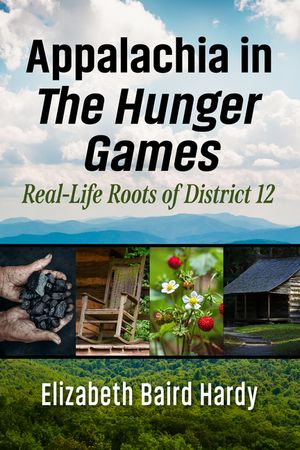
The dystopian future portrayed in The Hunger Games novels is at once familiar and alien to readers. Suzanne Collins's depiction of District 12 draws upon longstanding Appalachian landscapes, industries, and culture, using lived experiences from the region as inspiration for her fictional setting. This study examines how Collins adapts features of Appalachian geography and community into speculative fiction, creating an environment that echoes both contemporary and historic Appalachia.
Cultural traditions are also foundational to the series' worldbuilding. Storytelling, music, community relationships, and regional stereotypes are all mirrored in the novels. By identifying twelve notable Appalachian influences embedded in Collins's narrative structure, this volume reveals how fiction can illuminate the cultural and historical realities of the region while contributing to broader conversations about identity, labor, and representation.
- Format: Trade Paperback
- Author: Hardy, Elizabeth Baird
- ISBN: 9781476670614
- Condition: New
- Dimensions: 9.00 x 0.38
- Number Of Pages: 187
- Publication Year: 2026
Language:
English