


Select A Store
Select Store
My Store:
Select A Store
Availability:
-
Online Only
$130.00
Overview
Overview
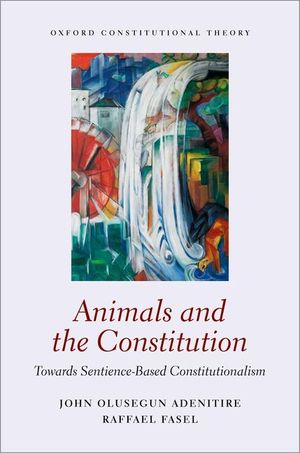
Constitutionalism - the idea that constitutions should limit and guide government - has set the standard of how public power ought to be exercised. Its success likely stems from the simple idea that constitutions should secure governance in the interests of the governed. However, its popularity has overshadowed a key issue: it relies on the hypothetical consent of rational human beings, ignoring those who lack such abilities, like non-human animals. Animals and the Constitution breaks new ground by challenging the human-centredness of current constitutional theory and practices. It pioneers a more capacious account of constitutionalism-sentience-based constitutionalism-which is grounded in respect for the interests of all governed sentient beings. The book demonstrates how this account can be implemented in modern constitutions by rethinking four key principles of constitutionalism: constitutional rights, proportionality, the rule of law, and democracy. To illustrate how these principles can be reimagined to protect the interests of both humans and animals, the book draws on and examines numerous real-world examples, ranging from judicial recognitions of wild animals' rights in Ecuador, to direct-democratic votes on primates' rights in Switzerland, to entire proposed bills of rights for animals in Finland. A unique combination of constitutional theory, animal ethics, and comparative constitutional law, this book offers a practical blueprint for future constitutions to address the moral and legal status of sentient beings.
- Format: Hardcover
- Author: Adenitire, John Olusegun
- ISBN: 9780198910503
- Condition: New
- Number Of Pages: 248
- Publication Year: 2025
Language:
English
Customer Reviews (0)
This title hasn’t been rated yet...be the first!